
Architectural design of warehouse premises
Architectural design of warehouse premises
In the contemporary landscape of logistics and supply chain management, the architectural design of warehouse premises plays a pivotal role in enhancing operational efficiency and optimizing space utilization. As businesses strive to meet the increasing demands of e-commerce and global trade, the design of warehouse facilities must evolve to accommodate advanced technologies and innovative storage solutions.
Warehouse architecture is not merely about constructing a building; it encompasses a comprehensive approach that integrates functionality, sustainability, and adaptability. The design process involves careful consideration of various factors, including:
- Space Planning: Efficient layout design is crucial for maximizing storage capacity and facilitating smooth workflow.
- Technology Integration: Incorporating automation and smart systems can significantly enhance productivity and accuracy in inventory management.
- Sustainability: Environmentally friendly materials and energy-efficient systems are increasingly important in modern warehouse design.
- Safety and Compliance: Adhering to safety regulations and ensuring a secure working environment is paramount in warehouse design.
As we delve deeper into the intricacies of warehouse architectural design, it becomes evident that a well-thought-out facility can lead to substantial cost savings, improved operational workflows, and a competitive edge in the market. This article aims to explore the key elements and trends in warehouse design, highlighting best practices and innovative solutions that can transform traditional storage spaces into dynamic hubs of activity.
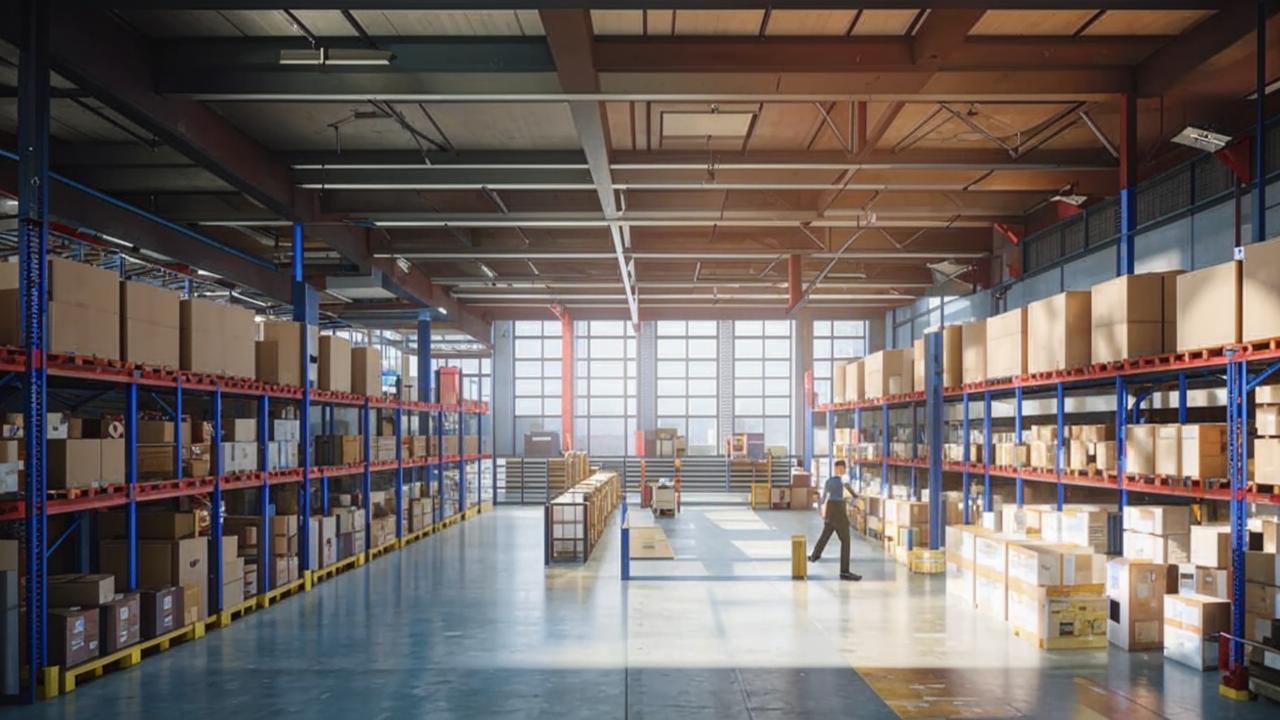
Conceptual Design
The conceptual design phase of warehouse architecture is a critical step that lays the foundation for the entire project. This stage involves translating the operational requirements and business goals into a tangible design that meets both functional and aesthetic needs. A successful conceptual design not only addresses the immediate needs of storage and distribution but also anticipates future growth and technological advancements.
At the outset, it is essential to conduct a thorough analysis of the specific requirements of the warehouse. This includes understanding the types of goods to be stored, the volume of inventory, and the expected turnover rates. By gathering this information, architects can create a design that optimally supports the logistics processes involved. Key considerations during this phase include:
- Site Selection: The location of the warehouse is paramount. Factors such as proximity to transportation hubs, accessibility for delivery vehicles, and zoning regulations must be evaluated to ensure the site is suitable for warehouse operations.
- Space Requirements: Determining the necessary square footage is crucial. This involves calculating the space needed for storage, office areas, loading docks, and other operational facilities. The design should allow for flexibility to accommodate future expansion.
- Workflow Optimization: The layout should facilitate efficient movement of goods. This includes designing clear pathways for receiving, storing, and shipping products, as well as minimizing bottlenecks in the workflow.
- Storage Solutions: Different types of storage systems, such as pallet racking, shelving, and automated storage and retrieval systems (AS/RS), should be considered based on the nature of the inventory. The design must integrate these systems effectively to maximize space utilization.
Another vital aspect of conceptual design is the incorporation of technology. As warehouses increasingly adopt automation and smart technologies, the design must accommodate these innovations. This includes planning for:
- Automated Systems: Designing spaces for robotics, conveyor systems, and other automated solutions can enhance efficiency and reduce labor costs.
- Data Management: Integrating IT infrastructure for inventory management systems, tracking software, and communication networks is essential for modern warehouse operations.
- Energy Efficiency: Incorporating sustainable practices, such as energy-efficient lighting, HVAC systems, and renewable energy sources, can significantly reduce operational costs and environmental impact.
Furthermore, the conceptual design must address safety and compliance issues. This includes ensuring that the warehouse meets all local building codes and safety regulations. Key safety considerations include:
- Fire Safety: Designing fire exits, sprinkler systems, and fire-resistant materials is crucial for protecting both the facility and its occupants.
- Ergonomics: The design should promote safe working conditions, reducing the risk of injury through ergonomic considerations in workstations and equipment placement.
- Security Measures: Implementing security features such as surveillance systems, access control, and secure storage areas is essential to protect inventory and personnel.
In summary, the conceptual design phase is a multifaceted process that requires careful consideration of various factors. By addressing site selection, space requirements, workflow optimization, technology integration, and safety compliance, architects can create a warehouse design that not only meets current operational needs but also positions the facility for future success. This foundational work is essential for ensuring that the subsequent design phases can proceed smoothly and effectively.
Once the foundational elements of the conceptual design are established, the next step involves creating a detailed layout that reflects the operational flow and integrates all necessary components. This layout serves as a blueprint for the warehouse, guiding the construction and ensuring that all aspects of the design work harmoniously together.
In developing the layout, architects must consider the following key elements:
- Receiving and Shipping Areas: These zones should be strategically located to facilitate easy access for trucks and delivery vehicles. The design should include multiple loading docks to accommodate simultaneous operations, reducing wait times and improving efficiency.
- Storage Zones: The layout must clearly define areas for different types of storage, such as bulk storage, palletized goods, and specialized items. Each zone should be designed to optimize accessibility and minimize handling time.
- Office and Administrative Spaces: Incorporating office areas within the warehouse can enhance communication and oversight. These spaces should be designed to provide visibility over the operations while ensuring a comfortable working environment for staff.
- Break Rooms and Facilities: Providing amenities for employees, such as break rooms, restrooms, and locker areas, is essential for maintaining morale and productivity. These facilities should be conveniently located and designed for comfort.
Another critical aspect of the layout is the incorporation of safety features. This includes:
- Clear Signage: Proper signage throughout the warehouse is vital for guiding employees and visitors, indicating safety protocols, and marking emergency exits.
- Emergency Access: The design should ensure that emergency services can easily access the facility in case of an incident. This includes clear pathways and designated areas for emergency vehicles.
- Fire Safety Measures: Fire lanes and access to fire extinguishers and alarms must be integrated into the layout to ensure compliance with safety regulations.
As the layout is finalized, it is essential to engage with stakeholders, including warehouse managers, logistics personnel, and safety officers, to gather feedback and make necessary adjustments. This collaborative approach ensures that the design meets the practical needs of those who will operate within the space.
Once the layout is approved, the next phase involves selecting materials and construction methods that align with the design vision. This includes choosing durable materials that can withstand the rigors of warehouse operations while also considering sustainability and cost-effectiveness. The choice of materials can significantly impact the overall performance and longevity of the facility.
In addition to materials, the construction methods employed can influence the timeline and budget of the project. Utilizing modular construction techniques, for example, can expedite the building process and reduce waste, aligning with modern sustainability goals.
Throughout the construction phase, it is crucial to maintain open lines of communication among all parties involved, including architects, contractors, and warehouse management. Regular updates and site visits can help ensure that the project stays on track and adheres to the original design specifications.
As the warehouse nears completion, final inspections and adjustments will be necessary to ensure that all systems are functioning correctly and that the facility meets all regulatory requirements. This final phase is essential for ensuring that the warehouse is ready for operations and can effectively support the logistics and supply chain processes it was designed for.
In conclusion, the conceptual design and subsequent layout of warehouse premises are foundational to creating an efficient, safe, and adaptable facility. By carefully considering all aspects of the design process, from site selection to material choices, architects can create a warehouse that not only meets current needs but is also prepared for future challenges and opportunities.
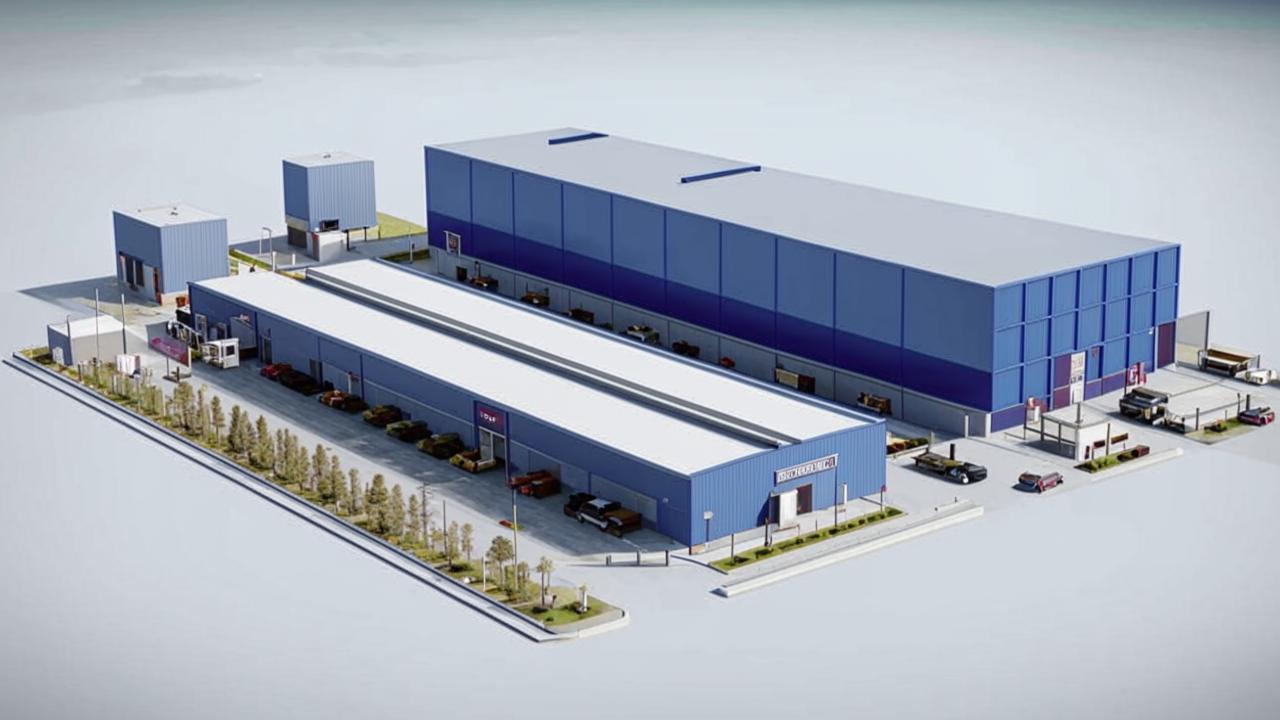
BIM Design
Building Information Modeling (BIM) has revolutionized the architectural design process, particularly in the context of warehouse premises. This innovative approach allows architects, engineers, and construction professionals to collaborate more effectively, leading to enhanced design accuracy and efficiency. By utilizing BIM, stakeholders can create a digital representation of the physical and functional characteristics of a warehouse, facilitating better decision-making throughout the project lifecycle.
One of the primary advantages of BIM in warehouse design is its ability to provide a comprehensive visualization of the project. This visualization includes not only the architectural elements but also structural, mechanical, electrical, and plumbing systems. As a result, all parties involved can gain a clearer understanding of how different components interact within the warehouse environment.
Key benefits of implementing BIM in warehouse design include:
- Improved Collaboration: BIM fosters a collaborative environment where architects, engineers, and contractors can work together seamlessly. This collaboration minimizes misunderstandings and reduces the likelihood of costly errors during construction.
- Enhanced Design Accuracy: With BIM, designers can create highly detailed models that accurately reflect the intended design. This precision helps in identifying potential issues early in the design phase, allowing for timely adjustments.
- Efficient Space Utilization: BIM tools enable designers to analyze space requirements and optimize layouts for storage, workflow, and accessibility. This optimization is crucial in warehouse design, where maximizing space can lead to significant cost savings.
- Lifecycle Management: BIM supports the entire lifecycle of the warehouse, from initial design through construction and into operation. This holistic view allows for better maintenance planning and facility management.
Moreover, BIM facilitates the integration of advanced technologies such as automation and robotics into warehouse design. By simulating the operational processes within the digital model, designers can assess how these technologies will impact workflow and efficiency. This foresight is invaluable in creating a warehouse that is not only functional but also adaptable to future technological advancements.
Another significant aspect of BIM in warehouse design is its role in sustainability. By analyzing energy consumption, material usage, and environmental impact during the design phase, architects can make informed decisions that promote sustainability. This includes selecting eco-friendly materials, optimizing energy efficiency, and planning for renewable energy sources.
Furthermore, BIM allows for the incorporation of safety features into the warehouse design. By simulating various scenarios, designers can identify potential hazards and implement safety measures proactively. This focus on safety not only protects workers but also ensures compliance with industry regulations.
As the demand for efficient and flexible warehouse solutions continues to grow, the adoption of BIM in architectural design will likely become increasingly prevalent. The ability to create detailed, accurate, and collaborative models will empower designers to meet the evolving needs of the logistics and supply chain sectors.
In conclusion, the integration of Building Information Modeling into the architectural design of warehouse premises represents a significant advancement in the industry. By leveraging the capabilities of BIM, stakeholders can enhance collaboration, improve design accuracy, optimize space utilization, and promote sustainability. As we explore further, we will delve into specific case studies and examples that illustrate the successful application of BIM in warehouse design.
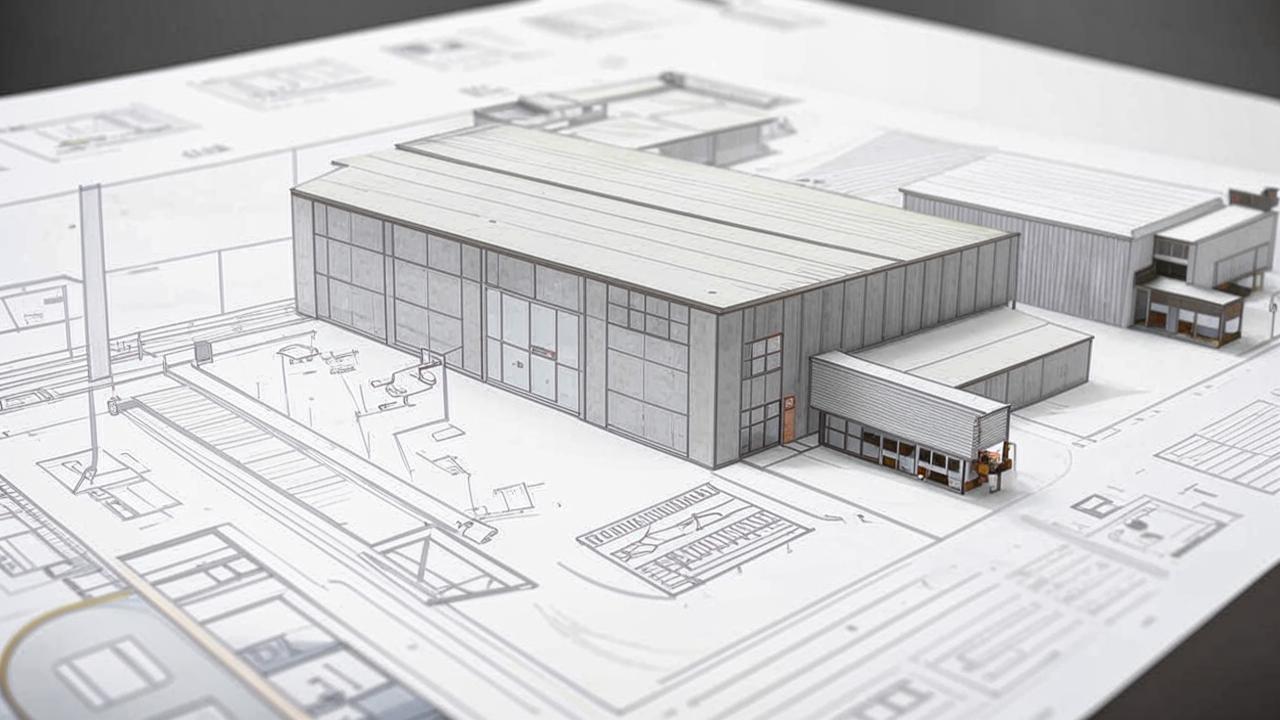
Adaptation of foreign projects according to the norms of the Russian Federation
The adaptation of foreign warehouse design projects to comply with the norms of the Russian Federation is a critical aspect of architectural planning in the logistics sector. As global trade continues to expand, many companies look to international best practices for inspiration in their warehouse designs. However, it is essential to ensure that these designs align with local regulations, standards, and cultural considerations.
One of the primary challenges in adapting foreign projects is understanding the specific building codes and regulations that govern warehouse construction in Russia. These regulations cover various aspects, including structural integrity, fire safety, environmental impact, and accessibility. Familiarity with the Russian Federal Law on Technical Regulation and the relevant GOST (Russian National Standards) is crucial for architects and designers.
When adapting a foreign warehouse design, the following key factors must be considered:
- Structural Requirements: The design must comply with local engineering standards, which may differ significantly from those in other countries. This includes load-bearing capacities, seismic considerations, and material specifications.
- Fire Safety Regulations: Russian fire safety codes are stringent, requiring specific materials and design features to minimize fire risks. This includes the installation of fire-resistant materials, proper emergency exits, and fire suppression systems.
- Environmental Standards: Adapting designs to meet environmental regulations is essential. This may involve implementing energy-efficient systems, waste management protocols, and sustainable building practices that align with Russian environmental policies.
- Accessibility and Ergonomics: The design should consider the needs of all users, including those with disabilities. Compliance with accessibility standards is not only a legal requirement but also enhances the usability of the warehouse.
In addition to regulatory compliance, cultural factors also play a significant role in the adaptation process. Understanding the local workforce's needs and preferences can influence design decisions, such as the layout of workspaces, break areas, and employee amenities. For instance, incorporating spaces for social interaction and relaxation can improve employee morale and productivity.
Furthermore, the integration of modern technologies into warehouse design must also be tailored to the Russian context. While many foreign designs may emphasize automation and robotics, it is essential to assess the local market's readiness for such technologies. This includes evaluating the availability of skilled labor, infrastructure, and support services necessary for maintaining advanced systems.
Collaboration with local architects, engineers, and regulatory bodies is vital in the adaptation process. Engaging with professionals who have a deep understanding of the Russian construction landscape can facilitate smoother project execution and ensure compliance with all necessary standards. This collaborative approach can also lead to innovative solutions that blend international best practices with local expertise.
In summary, adapting foreign warehouse design projects to meet the norms of the Russian Federation requires a comprehensive understanding of local regulations, cultural considerations, and technological readiness. By addressing these factors, companies can create efficient, safe, and compliant warehouse facilities that enhance their operational capabilities in the Russian market.

Architectural Solutions
The architectural solutions for warehouse premises are essential in creating spaces that are not only functional but also adaptable to the ever-changing demands of the logistics industry. A well-designed warehouse can significantly impact the efficiency of operations, reduce costs, and enhance the overall productivity of a business. This section will explore various architectural solutions that can be implemented in warehouse design, focusing on layout, structural elements, and innovative technologies.
1. Layout Design
The layout of a warehouse is one of the most critical aspects of its architectural design. An effective layout maximizes space utilization and facilitates smooth workflow. There are several common layout designs used in warehouses:
- Grid Layout: This is the most traditional layout, characterized by a series of aisles that create a grid-like pattern. It allows for easy navigation and efficient use of space.
- Flow-through Layout: This design promotes a continuous flow of goods, minimizing handling time. It is particularly effective for high-volume operations.
- U-shaped Layout: This layout allows for efficient loading and unloading processes, as it provides direct access to both receiving and shipping areas.
- Dynamic Layout: This flexible design can be adjusted based on changing inventory levels and operational needs, making it ideal for businesses with fluctuating demands.
Choosing the right layout depends on various factors, including the type of products stored, the volume of goods handled, and the specific operational requirements of the business.
2. Structural Elements
The structural elements of a warehouse must be designed to support the intended use of the space while ensuring safety and durability. Key considerations include:
- Column Spacing: The spacing of columns affects the layout and storage capacity of the warehouse. Wider spacing can allow for larger storage areas, while closer spacing may provide more structural support.
- Ceiling Height: High ceilings are essential for maximizing vertical storage and accommodating tall shelving units or racking systems. This is particularly important for warehouses that utilize automated storage solutions.
- Flooring: The choice of flooring material is crucial for durability and safety. Options include concrete, epoxy, and specialized flooring systems that can withstand heavy loads and provide slip resistance.
Incorporating these structural elements into the design ensures that the warehouse can handle the demands of modern logistics operations while maintaining safety standards.
3. Innovative Technologies
As technology continues to advance, integrating innovative solutions into warehouse design has become increasingly important. Some of the key technologies that can enhance warehouse operations include:
- Automated Storage and Retrieval Systems (AS/RS): These systems use automated cranes and shuttles to store and retrieve products, significantly improving efficiency and accuracy.
- Warehouse Management Systems (WMS): A robust WMS can optimize inventory management, track product movement, and streamline order fulfillment processes.
- Internet of Things (IoT): IoT devices can provide real-time data on inventory levels, equipment performance, and environmental conditions, enabling better decision-making.
- Energy-efficient Systems: Incorporating energy-efficient lighting, HVAC systems, and renewable energy sources can reduce operational costs and minimize the environmental impact of warehouse operations.
By embracing these technologies, warehouses can enhance their operational capabilities, reduce costs, and improve overall efficiency.
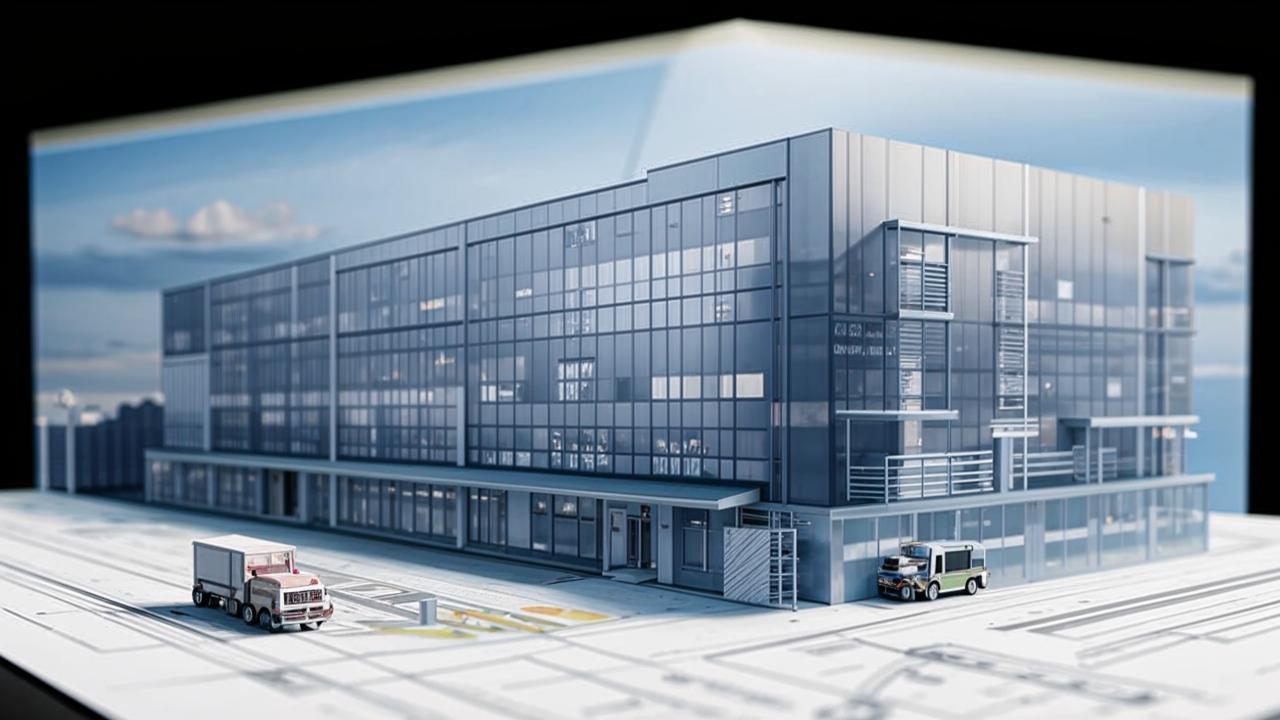
Structural Solutions
The structural solutions in warehouse design are fundamental to ensuring the durability, safety, and functionality of the facility. A well-designed structure not only supports the physical loads imposed by the building itself but also accommodates the dynamic loads from stored goods, equipment, and human activity. Various structural systems can be employed, each with its own advantages and considerations.
One of the most common structural solutions for warehouses is the use of steel frames. Steel is favored for its high strength-to-weight ratio, allowing for large open spaces without the need for excessive internal columns. This design flexibility is crucial for optimizing storage layouts and facilitating the movement of goods. Key benefits of steel frame construction include:
- Speed of Construction: Steel components can be prefabricated off-site, reducing on-site construction time.
- Durability: Steel is resistant to many environmental factors, including pests and rot, which can affect other materials.
- Design Flexibility: Steel structures can be easily modified or expanded as business needs change.
Another popular option is reinforced concrete, which provides excellent compressive strength and durability. Concrete is often used for the floors of warehouses due to its ability to withstand heavy loads and its resistance to wear and tear. The use of reinforced concrete can also enhance fire resistance, making it a safe choice for storage facilities. Some advantages of reinforced concrete include:
- Load-Bearing Capacity: Concrete can support heavy machinery and large quantities of goods without compromising structural integrity.
- Fire Resistance: Concrete does not burn, providing an added layer of safety in case of fire.
- Low Maintenance: Concrete structures require minimal upkeep compared to other materials.
In addition to steel and concrete, pre-engineered buildings have gained popularity in warehouse design. These buildings are manufactured in a factory setting and then assembled on-site, offering a cost-effective and efficient solution. Pre-engineered buildings can be customized to meet specific operational needs and can be designed for various uses, from simple storage to complex distribution centers. Benefits of pre-engineered buildings include:
- Cost Efficiency: Reduced labor and material costs can lead to significant savings.
- Quick Assembly: The prefabricated nature allows for faster construction timelines.
- Energy Efficiency: Many pre-engineered buildings incorporate energy-efficient designs and materials.
When considering structural solutions, it is also essential to account for local building codes and regulations. Compliance with these codes ensures that the warehouse meets safety standards and can withstand environmental factors such as wind, snow, and seismic activity. Engaging with structural engineers during the design phase can help identify the most suitable materials and systems for the specific location and intended use of the warehouse.
Furthermore, the integration of sustainable practices in structural design is becoming increasingly important. Utilizing materials with a lower environmental impact, such as recycled steel or sustainably sourced timber, can contribute to a warehouse's overall sustainability goals. Additionally, incorporating features like green roofs or solar panels can enhance energy efficiency and reduce the carbon footprint of the facility.
In summary, the choice of structural solutions in warehouse design is critical to the overall performance and longevity of the facility. By carefully considering the materials and systems used, designers can create warehouses that are not only functional and efficient but also adaptable to future needs and environmentally responsible.
Electrical Systems
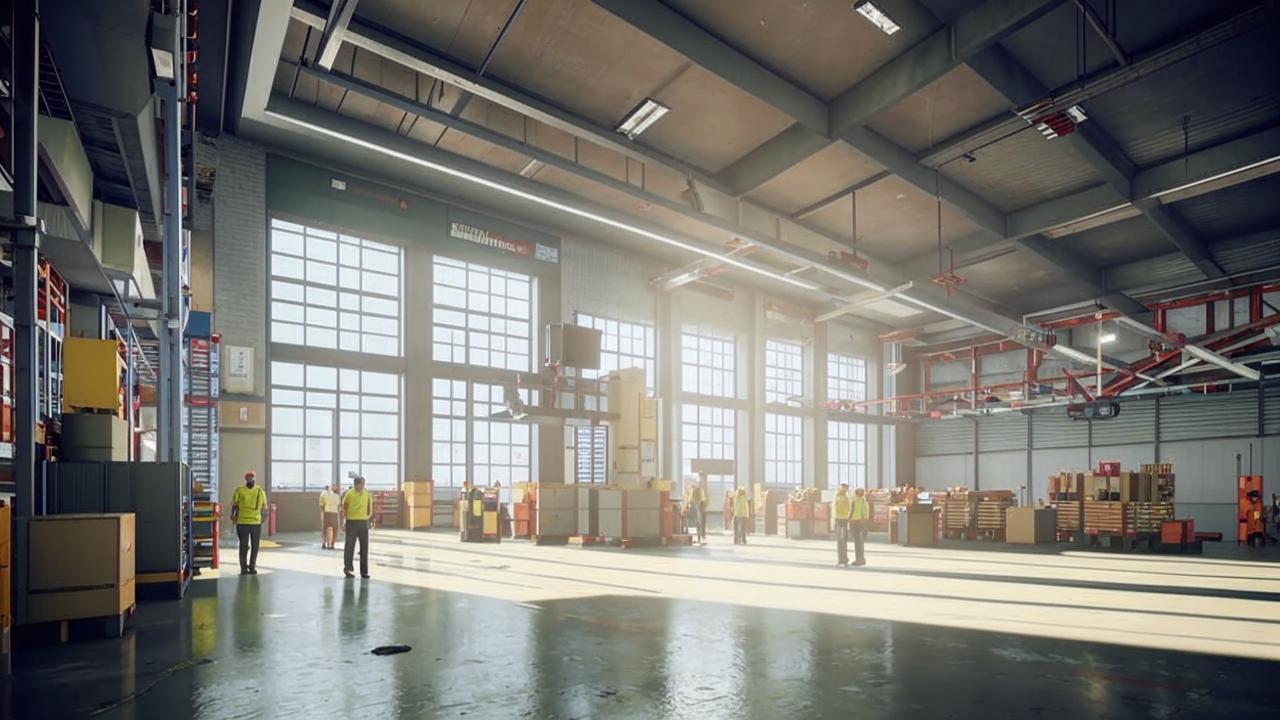
Electrical systems are a fundamental component of warehouse design, influencing not only the functionality of the space but also the safety and efficiency of operations. A well-designed electrical system ensures that all equipment operates smoothly, supports advanced technologies, and meets the energy demands of modern warehousing.
When planning the electrical systems for warehouse premises, several key considerations must be taken into account:
- Load Requirements: Understanding the electrical load requirements is essential for designing a system that can support all operational needs. This includes lighting, heating, cooling, and power for machinery and equipment.
- Energy Efficiency: Implementing energy-efficient solutions, such as LED lighting and energy management systems, can significantly reduce operational costs and environmental impact. Energy-efficient designs not only save money but also contribute to sustainability goals.
- Power Distribution: A well-planned power distribution system is crucial for ensuring that electricity is delivered efficiently throughout the warehouse. This includes the placement of outlets, circuit breakers, and transformers to minimize energy loss and ensure safety.
- Backup Power Systems: In the event of a power outage, having a reliable backup power system, such as generators or uninterruptible power supplies (UPS), is vital to maintain operations and protect sensitive equipment.
- Lighting Design: Proper lighting is essential for safety and productivity in a warehouse environment. The design should consider natural light sources, task lighting, and emergency lighting to create a well-lit and safe working environment.
- Compliance with Regulations: Adhering to local and national electrical codes and safety regulations is critical. This ensures that the electrical systems are safe, reliable, and legally compliant.
In addition to these considerations, the integration of smart technologies into electrical systems is becoming increasingly important. Smart systems can monitor energy usage, detect faults, and optimize performance in real-time, leading to enhanced operational efficiency.
Furthermore, the layout of electrical systems should be designed with flexibility in mind. As warehouse operations evolve, the ability to adapt electrical systems to accommodate new technologies or changes in workflow is essential. This may involve designing modular electrical systems that can be easily reconfigured or expanded as needed.
Another critical aspect of electrical systems in warehouse design is the safety of personnel. Proper grounding, circuit protection, and the use of safety devices such as residual current devices (RCDs) are essential to prevent electrical hazards. Regular maintenance and inspections of electrical systems are also necessary to ensure ongoing safety and reliability.
In conclusion, the design of electrical systems in warehouse premises is a complex but vital aspect of architectural planning. By considering load requirements, energy efficiency, power distribution, and safety, warehouse designers can create systems that not only meet current operational needs but also anticipate future demands. The integration of smart technologies and a focus on flexibility further enhance the effectiveness of electrical systems, ensuring that warehouses can adapt to the ever-changing landscape of logistics and supply chain management.
Another important consideration in the design of electrical systems for warehouses is the integration of renewable energy sources. As sustainability becomes a priority for many businesses, incorporating solar panels or wind turbines can significantly reduce reliance on traditional energy sources. This not only lowers energy costs but also enhances the warehouse's environmental credentials.
When planning for renewable energy integration, it is essential to conduct a thorough site assessment to determine the feasibility and potential energy output of these systems. Factors such as geographic location, available space, and local regulations will influence the design and implementation of renewable energy solutions.
Moreover, the use of energy storage systems, such as batteries, can complement renewable energy sources by storing excess energy generated during peak production times for use during periods of high demand or low generation. This capability can provide a more stable and reliable energy supply, further enhancing operational efficiency.
In addition to renewable energy, the implementation of advanced energy management systems (EMS) can optimize energy consumption within the warehouse. These systems utilize data analytics and real-time monitoring to track energy usage patterns, identify inefficiencies, and suggest improvements. By leveraging EMS, warehouse operators can make informed decisions about energy consumption, leading to significant cost savings and reduced environmental impact.
Furthermore, the design of electrical systems should also consider the specific needs of various warehouse operations. For instance, areas designated for cold storage or temperature-sensitive goods may require specialized electrical systems to support refrigeration units and climate control technologies. Ensuring that these systems are adequately designed and integrated is crucial for maintaining product quality and safety.
Another aspect to consider is the impact of electrical systems on the overall workflow within the warehouse. The strategic placement of electrical outlets and equipment can facilitate smoother operations and reduce downtime. For example, ensuring that power sources are readily available near automated picking systems or conveyor belts can enhance productivity and streamline processes.
Training and education for warehouse staff regarding electrical safety and system operation are also vital. Employees should be well-informed about the electrical systems in place, including emergency procedures and safety protocols. Regular training sessions can help reinforce safety practices and ensure that all personnel are equipped to handle electrical equipment responsibly.
Finally, ongoing maintenance and upgrades of electrical systems are essential to ensure long-term reliability and efficiency. Regular inspections, testing, and updates to technology can prevent potential issues and extend the lifespan of electrical components. Establishing a proactive maintenance schedule can help identify and address problems before they escalate, minimizing disruptions to warehouse operations.
In summary, the design of electrical systems in warehouse premises is a multifaceted process that requires careful planning and consideration of various factors. From load requirements and energy efficiency to safety and renewable energy integration, each element plays a crucial role in creating a functional and sustainable warehouse environment. By prioritizing these aspects, warehouse designers can develop systems that not only meet current operational needs but also adapt to future challenges and opportunities in the logistics sector.

Water Supply and Sewerage Systems
Water supply and sewerage systems are critical components in the architectural design of warehouse premises. These systems ensure that the facility operates efficiently, providing essential services that support daily operations. A well-designed water supply and sewerage system not only meets the immediate needs of the warehouse but also contributes to the overall sustainability and functionality of the building.
When planning the water supply system for a warehouse, several factors must be considered:
- Water Demand Assessment: Understanding the specific water needs of the warehouse is crucial. This includes considering the number of employees, the types of goods stored, and any processes that require water, such as cleaning or maintenance.
- Source of Water Supply: The design must identify the most reliable and cost-effective source of water, whether it be municipal supply, groundwater, or rainwater harvesting systems.
- Piping and Distribution: The layout of the piping system should ensure efficient distribution of water throughout the facility. This includes selecting appropriate materials and sizes for pipes to minimize pressure loss and ensure adequate flow rates.
- Water Quality Management: Implementing filtration and treatment systems is essential to maintain water quality, especially if the water is used for processes that involve food or sensitive materials.
In addition to the water supply, the sewerage system is equally important. A well-designed sewerage system ensures the safe and efficient disposal of wastewater generated by the warehouse. Key considerations include:
- Wastewater Generation Analysis: Estimating the volume and type of wastewater produced is essential for designing an effective sewerage system. This includes accounting for both sanitary waste and any process-related wastewater.
- Drainage Design: The layout of drainage systems must facilitate the quick and efficient removal of wastewater. This includes the placement of drains, manholes, and the slope of pipes to ensure proper flow.
- Connection to Municipal Systems: If the warehouse is connected to a municipal sewer system, it is important to comply with local regulations regarding discharge limits and connection requirements.
- On-Site Treatment Options: In cases where connection to a municipal system is not feasible, on-site treatment solutions such as septic systems or biofilters may be necessary.
Moreover, integrating sustainable practices into the water supply and sewerage systems can significantly enhance the environmental performance of the warehouse. This can include:
- Rainwater Harvesting: Collecting and utilizing rainwater for non-potable uses can reduce reliance on municipal water sources and lower operational costs.
- Greywater Recycling: Implementing systems to treat and reuse greywater for irrigation or toilet flushing can further conserve water resources.
- Energy Efficiency: Designing systems that minimize energy consumption, such as using gravity-fed systems or energy-efficient pumps, can contribute to overall sustainability.
In conclusion, the architectural design of water supply and sewerage systems in warehouse premises is a multifaceted process that requires careful planning and consideration of various factors. By addressing these elements, warehouse operators can ensure that their facilities are equipped with reliable and efficient systems that support their operational needs while promoting sustainability.
Another critical aspect of water supply and sewerage systems in warehouse design is the incorporation of monitoring and control technologies. These technologies can enhance the efficiency and reliability of water management systems. Key components include:
- Smart Metering: Installing smart water meters allows for real-time monitoring of water usage, helping to identify leaks and inefficiencies promptly.
- Automated Control Systems: Utilizing automated systems for managing water flow and pressure can optimize the performance of the water supply system, ensuring that the right amount of water is delivered where and when it is needed.
- Data Analytics: Implementing data analytics tools can provide insights into water consumption patterns, enabling better forecasting and resource management.
Furthermore, the maintenance and upkeep of water supply and sewerage systems are vital for ensuring long-term functionality. Regular inspections and maintenance schedules should be established to prevent issues such as:
- Clogged Drains: Regular cleaning and maintenance of drainage systems can prevent blockages that may lead to flooding or contamination.
- Pipe Corrosion: Monitoring the condition of pipes and replacing them as necessary can prevent leaks and water loss.
- System Upgrades: As technology advances, upgrading systems to incorporate new technologies can improve efficiency and reduce operational costs.
In addition to these technical considerations, regulatory compliance is a crucial aspect of designing water supply and sewerage systems. Warehouse operators must adhere to local, state, and federal regulations regarding water usage, wastewater discharge, and environmental protection. This includes:
- Permitting: Obtaining the necessary permits for water extraction and wastewater discharge is essential to avoid legal issues.
- Environmental Impact Assessments: Conducting assessments to evaluate the potential environmental impacts of water management practices can help in making informed decisions.
- Reporting Requirements: Regular reporting to regulatory bodies may be required to demonstrate compliance with water quality standards and usage limits.
Finally, the integration of employee training into the operational framework of water supply and sewerage systems is essential. Staff should be educated on:
- Water Conservation Practices: Training employees on efficient water usage can lead to significant savings and promote a culture of sustainability.
- Emergency Procedures: Ensuring that staff are aware of emergency protocols in case of water supply failures or sewerage issues can mitigate risks and enhance safety.
- System Operation: Familiarizing employees with the operation of monitoring and control systems can improve responsiveness and efficiency.
In summary, the architectural design of water supply and sewerage systems in warehouse premises is a complex but essential aspect of overall facility management. By focusing on efficient design, sustainable practices, regulatory compliance, and employee training, warehouse operators can create a robust framework that supports their operational needs while minimizing environmental impact.
Heating, Ventilation, and Air Conditioning (HVAC) Systems
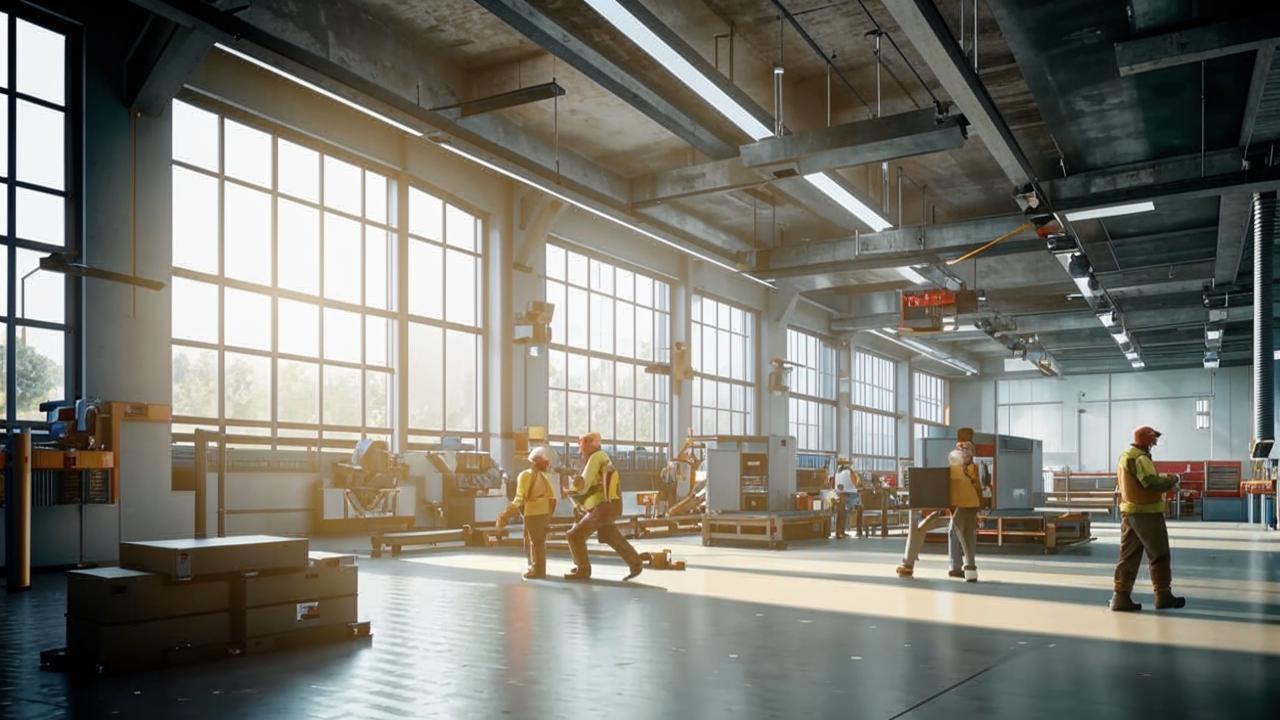
Heating, Ventilation, and Air Conditioning (HVAC) systems are essential components of warehouse design, significantly impacting the overall functionality and comfort of the facility. Properly designed HVAC systems ensure that the internal environment of a warehouse is conducive to both the storage of goods and the comfort of personnel working within the space. The integration of HVAC systems into warehouse architecture requires careful planning and consideration of various factors.
One of the primary objectives of an HVAC system in a warehouse is to maintain optimal temperature and humidity levels. This is particularly important for warehouses that store sensitive products, such as food, pharmaceuticals, or electronics, which can be adversely affected by extreme temperatures or humidity fluctuations. To achieve this, several key elements must be taken into account:
- Load Calculation: Before designing an HVAC system, it is crucial to perform a load calculation to determine the heating and cooling requirements of the warehouse. This involves assessing factors such as the size of the space, the type of goods stored, the number of personnel, and the local climate conditions.
- Air Distribution: Effective air distribution is vital for maintaining consistent temperature and humidity levels throughout the warehouse. This can be achieved through the strategic placement of ducts, vents, and fans to ensure that air circulates evenly across all areas.
- Energy Efficiency: With rising energy costs and increasing environmental concerns, energy-efficient HVAC systems are becoming a priority in warehouse design. Utilizing advanced technologies, such as variable refrigerant flow (VRF) systems, energy recovery ventilators (ERVs), and programmable thermostats, can significantly reduce energy consumption.
- Ventilation: Adequate ventilation is essential for maintaining air quality within the warehouse. This includes both natural and mechanical ventilation strategies to ensure that fresh air is introduced while stale air is expelled. Proper ventilation helps to mitigate the buildup of harmful pollutants and maintain a safe working environment.
- Humidity Control: In addition to temperature regulation, controlling humidity levels is critical in preventing mold growth and product degradation. Dehumidifiers and humidity sensors can be integrated into the HVAC system to monitor and adjust humidity levels as needed.
Furthermore, the layout of the warehouse can influence the effectiveness of the HVAC system. High ceilings, for example, may require specialized heating and cooling solutions to ensure that air reaches the lower levels where personnel and products are located. Additionally, the use of insulated walls and roofs can help to minimize heat loss or gain, further enhancing the efficiency of the HVAC system.
Another important consideration is the maintenance of the HVAC system. Regular maintenance is essential to ensure that the system operates efficiently and effectively over time. This includes routine inspections, filter replacements, and cleaning of ducts and vents to prevent blockages and ensure optimal airflow.
In conclusion, the design and implementation of HVAC systems in warehouse premises are critical for ensuring a safe, comfortable, and efficient working environment. By carefully considering factors such as load calculations, air distribution, energy efficiency, ventilation, and humidity control, warehouse designers can create spaces that not only meet operational needs but also contribute to the overall sustainability of the facility.
In addition to the technical aspects of HVAC systems, the integration of smart technology is becoming increasingly prevalent in warehouse design. Smart HVAC systems utilize sensors and automation to optimize performance and energy efficiency. For instance, occupancy sensors can adjust heating and cooling based on the presence of personnel, ensuring that energy is not wasted in unoccupied areas. This level of automation not only enhances comfort but also contributes to significant cost savings over time.
Moreover, the use of Building Management Systems (BMS) allows for centralized control of HVAC operations, enabling facility managers to monitor and adjust settings in real-time. This technology can provide valuable data analytics, helping to identify patterns in energy usage and areas for improvement. By leveraging data, warehouse operators can make informed decisions that enhance operational efficiency and reduce environmental impact.
Another emerging trend in HVAC design for warehouses is the incorporation of renewable energy sources. Solar panels, for example, can be installed on the roof of the warehouse to power HVAC systems, reducing reliance on traditional energy sources and lowering operational costs. Additionally, geothermal heating and cooling systems can be utilized to take advantage of the earth's stable temperature, providing an energy-efficient alternative for climate control.
It is also essential to consider the impact of HVAC systems on the overall sustainability of the warehouse. Implementing energy-efficient systems not only reduces operational costs but also minimizes the carbon footprint of the facility. Many companies are now seeking LEED (Leadership in Energy and Environmental Design) certification, which recognizes buildings that meet specific sustainability criteria. A well-designed HVAC system is a critical component in achieving such certifications, as it demonstrates a commitment to environmental responsibility.
Furthermore, the layout and design of the HVAC system should be flexible enough to accommodate future changes in warehouse operations. As businesses evolve, the need for additional storage space or changes in product types may arise. A modular HVAC design allows for easy adjustments and expansions, ensuring that the system can adapt to the changing needs of the warehouse without requiring a complete overhaul.
Finally, training and education for warehouse staff on the operation and maintenance of HVAC systems are vital. Ensuring that personnel understand how to operate the system efficiently and recognize potential issues can lead to improved performance and longevity of the equipment. Regular training sessions can empower staff to take an active role in maintaining a comfortable and safe working environment.
In summary, the design and implementation of HVAC systems in warehouse premises are multifaceted processes that require careful consideration of technology, sustainability, and adaptability. By focusing on energy efficiency, smart technology integration, and staff training, warehouse operators can create environments that not only support operational efficiency but also contribute to the overall success of the business.
Low Voltage Systems
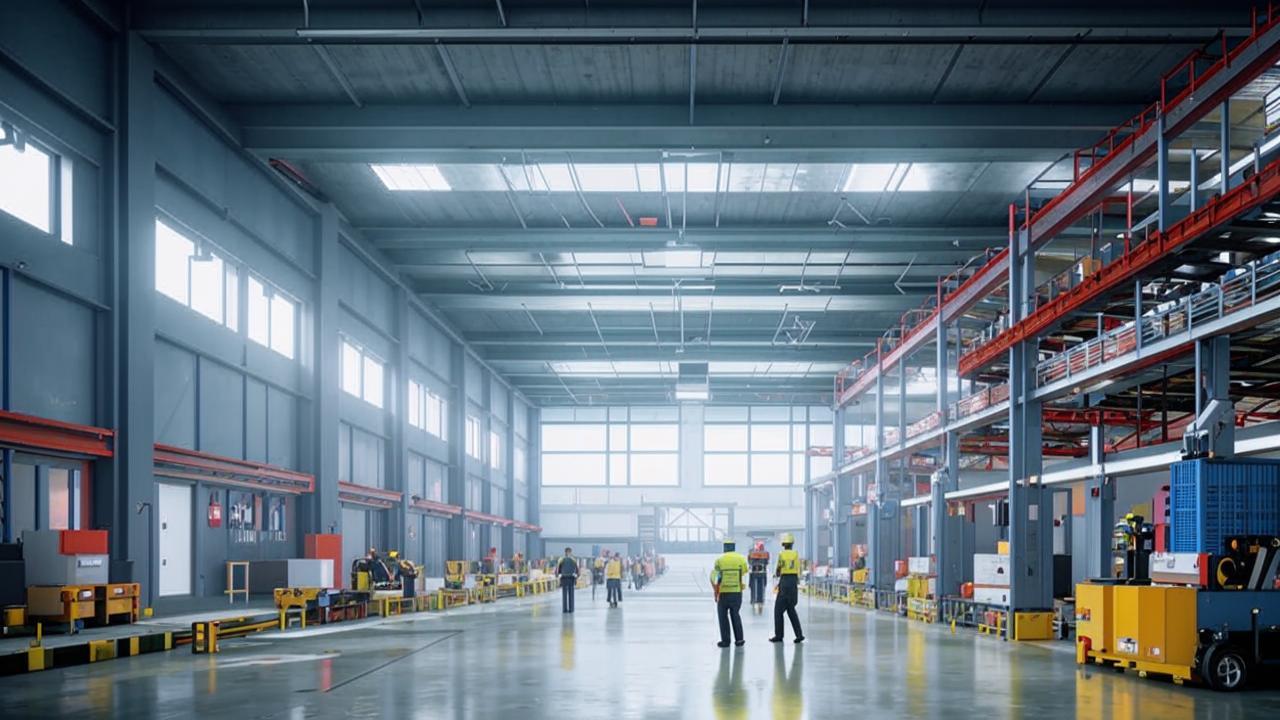
Low voltage systems are essential components in the architectural design of warehouse premises, providing the necessary infrastructure for various operational needs. These systems encompass a range of technologies that ensure safety, efficiency, and communication within the warehouse environment. Understanding the role and implementation of low voltage systems is crucial for optimizing warehouse functionality.
One of the primary aspects of low voltage systems in warehouses is the electrical distribution network. This network is designed to deliver power to various equipment and systems, including lighting, heating, ventilation, and air conditioning (HVAC). Proper planning and design of the electrical distribution system can lead to:
- Energy Efficiency: Utilizing energy-efficient lighting and HVAC systems can significantly reduce operational costs.
- Load Management: A well-designed electrical system allows for effective load balancing, preventing overloads and ensuring reliability.
- Future Scalability: Designing the electrical infrastructure with future expansions in mind can save costs and time in the long run.
Another critical component of low voltage systems is security and surveillance. In a warehouse setting, security is paramount to protect valuable inventory and equipment. Low voltage security systems typically include:
- CCTV Cameras: Strategically placed cameras provide real-time monitoring and recording of activities within and around the warehouse.
- Access Control Systems: These systems regulate who can enter specific areas of the warehouse, enhancing security and safety.
- Intrusion Detection Systems: Sensors and alarms can alert personnel to unauthorized access or breaches, ensuring a rapid response.
Furthermore, communication systems are vital for efficient operations within a warehouse. Low voltage communication systems facilitate seamless interaction among staff and between different departments. Key components include:
- Intercom Systems: Allow for instant communication between different areas of the warehouse, improving coordination.
- Data Networks: Robust data networks support various applications, including inventory management systems and real-time tracking of goods.
- Wireless Communication: Mobile devices and wireless networks enable staff to communicate and access information on the go, enhancing productivity.
In addition to these systems, fire alarm and detection systems are critical for ensuring safety in warehouse premises. These systems are designed to detect smoke, heat, or flames and alert personnel to potential hazards. Key features include:
- Smoke Detectors: These devices can quickly identify smoke presence, allowing for timely evacuation and response.
- Heat Detectors: Useful in areas where smoke detectors may not be effective, such as dusty environments.
- Alarm Systems: Audible and visual alarms ensure that all personnel are alerted in case of a fire emergency.
Moreover, the integration of building management systems (BMS) can enhance the efficiency of low voltage systems in warehouses. A BMS allows for centralized control of various building systems, including lighting, HVAC, and security. Benefits of implementing a BMS include:
- Centralized Monitoring: Operators can monitor and control all systems from a single interface, improving response times and operational efficiency.
- Data Analytics: BMS can collect and analyze data to optimize energy usage and identify areas for improvement.
- Automated Controls: Automation of lighting and HVAC systems based on occupancy can lead to significant energy savings.
In conclusion, low voltage systems are integral to the architectural design of warehouse premises. They enhance safety, efficiency, and communication, ultimately contributing to the overall effectiveness of warehouse operations. As technology continues to evolve, the integration of advanced low voltage systems will play an increasingly important role in the future of warehouse design.
Another significant aspect of low voltage systems in warehouse design is the implementation of lighting systems. Proper lighting is essential for ensuring safety and productivity within the warehouse environment. The design of lighting systems should consider:
- Illumination Levels: Adequate
illumination levels are crucial for various tasks performed in the warehouse, from picking and packing to quality control. Insufficient lighting can lead to accidents and decreased productivity. Therefore, the design should include:
- Task Lighting: Focused lighting in areas where detailed work is performed, such as packing stations or inspection zones.
- Ambient Lighting: General lighting that provides a uniform level of illumination throughout the warehouse.
- Natural Lighting: Incorporating windows or skylights can reduce energy costs and improve the working environment.
Moreover, the use of LED technology in lighting systems is becoming increasingly popular due to its energy efficiency and longevity. LED lights consume significantly less power than traditional lighting options and have a longer lifespan, which reduces maintenance costs. Additionally, smart lighting systems can be integrated to adjust brightness based on occupancy or time of day, further enhancing energy savings.
Another critical component of low voltage systems is the power backup systems. In a warehouse, maintaining operations during power outages is essential to prevent disruptions in logistics and inventory management. Backup systems can include:
- Uninterruptible Power Supplies (UPS): These systems provide immediate power to critical equipment during outages, ensuring that operations can continue without interruption.
- Generators: Standby generators can supply power to the entire facility, allowing for extended operations during prolonged outages.
- Battery Backup Systems: These systems can support essential low voltage systems, such as security and fire alarms, ensuring they remain operational during power failures.
Furthermore, the integration of smart technologies into low voltage systems is revolutionizing warehouse operations. Smart sensors and IoT devices can monitor various parameters, such as temperature, humidity, and occupancy, providing real-time data that can be used to optimize operations. For instance:
- Temperature Sensors: These can help maintain optimal conditions for sensitive inventory, such as pharmaceuticals or perishables.
- Occupancy Sensors: These can control lighting and HVAC systems based on the presence of personnel, further enhancing energy efficiency.
- Inventory Tracking Systems: RFID and barcode systems can streamline inventory management, reducing errors and improving accuracy.
As warehouses continue to evolve, the importance of low voltage systems will only increase. The integration of advanced technologies and systems not only enhances operational efficiency but also contributes to a safer and more sustainable working environment. By investing in robust low voltage systems, warehouse operators can ensure they are well-equipped to meet the challenges of modern logistics and supply chain management.
Gas Supply Systems
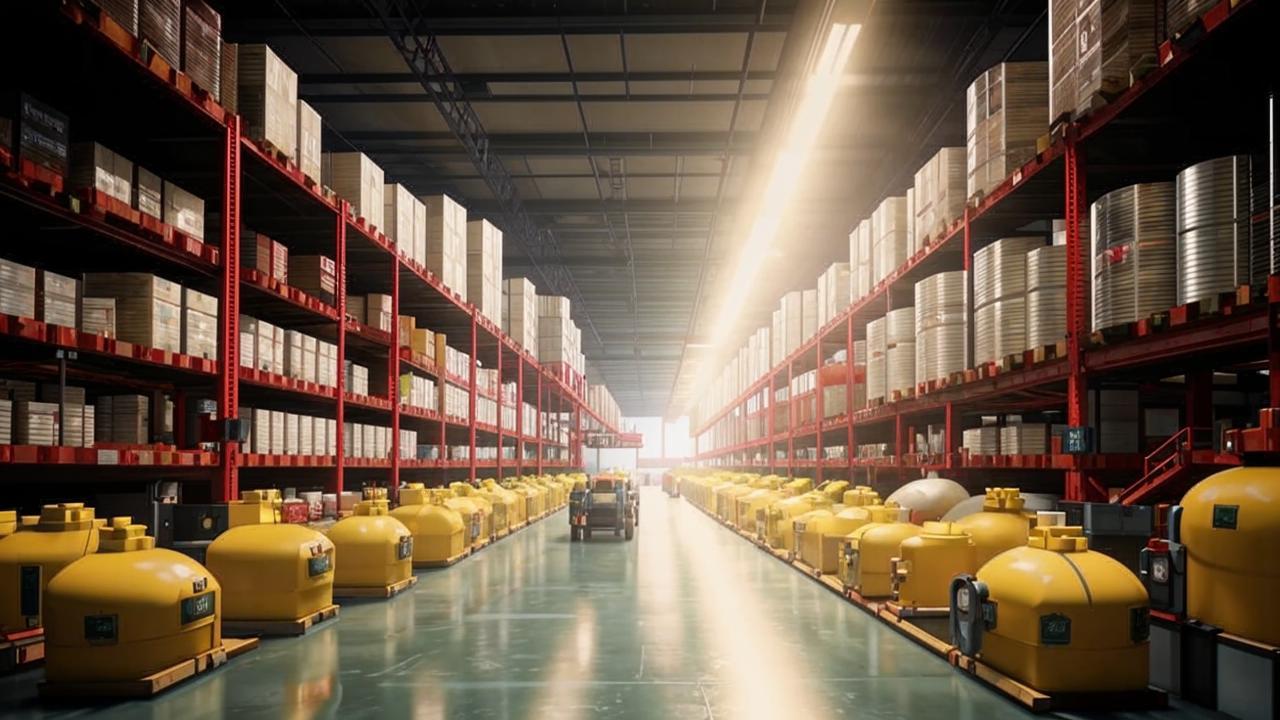
Gas supply systems are a critical component of warehouse premises, particularly for facilities that require heating, ventilation, and operational processes that depend on gas as a fuel source. The architectural design of these systems must be meticulously planned to ensure safety, efficiency, and compliance with regulatory standards. A well-designed gas supply system not only supports the operational needs of the warehouse but also contributes to the overall sustainability of the facility.
When designing gas supply systems for warehouses, several key factors must be taken into account:
- Regulatory Compliance: Adhering to local, national, and international regulations is essential. This includes obtaining necessary permits and ensuring that the design meets safety standards set by governing bodies.
- System Capacity: The gas supply system must be designed to meet the specific needs of the warehouse, including peak demand periods. This involves calculating the required gas flow rates and pressure levels based on the intended use of the facility.
- Distribution Network: The layout of the gas distribution network should be optimized for efficiency. This includes the placement of pipelines, valves, and meters to minimize pressure drops and ensure reliable delivery of gas to all areas of the warehouse.
- Safety Measures: Implementing safety features such as gas detectors, emergency shut-off valves, and proper ventilation is crucial to prevent accidents and ensure the safety of personnel working in the warehouse.
- Integration with Other Systems: The gas supply system should be integrated with other building systems, such as heating and cooling, to enhance overall energy efficiency and operational effectiveness.
In addition to these factors, the architectural design of gas supply systems must also consider the physical layout of the warehouse. This includes:
- Access for Maintenance: The design should allow for easy access to gas supply components for routine maintenance and inspections, minimizing downtime and ensuring continuous operation.
- Space Utilization: Efficient use of space is vital in warehouse design. The gas supply system should be designed to occupy minimal space while still providing the necessary functionality.
- Future Expansion: As businesses grow, their gas supply needs may change. The design should allow for future expansion or modification of the gas supply system without significant disruption to warehouse operations.
Moreover, the choice of materials used in the gas supply system is also important. High-quality, durable materials that can withstand the pressures and conditions of the warehouse environment should be selected. This not only ensures the longevity of the system but also reduces the risk of leaks and failures.
Another consideration in the architectural design of gas supply systems is the environmental impact. With increasing emphasis on sustainability, warehouses are encouraged to adopt practices that minimize their carbon footprint. This can include the use of renewable gas sources, such as biogas, and implementing energy-efficient technologies that reduce overall gas consumption.
Furthermore, the integration of smart technologies into gas supply systems can enhance monitoring and control capabilities. Smart sensors and automated systems can provide real-time data on gas usage, detect leaks, and optimize consumption patterns, leading to improved safety and efficiency.
In conclusion, the architectural design of gas supply systems in warehouse premises is a multifaceted process that requires careful planning and consideration of various factors. By prioritizing safety, efficiency, and sustainability, warehouse operators can create a gas supply system that not only meets their operational needs but also contributes to the overall success of their business.
Technological Solutions
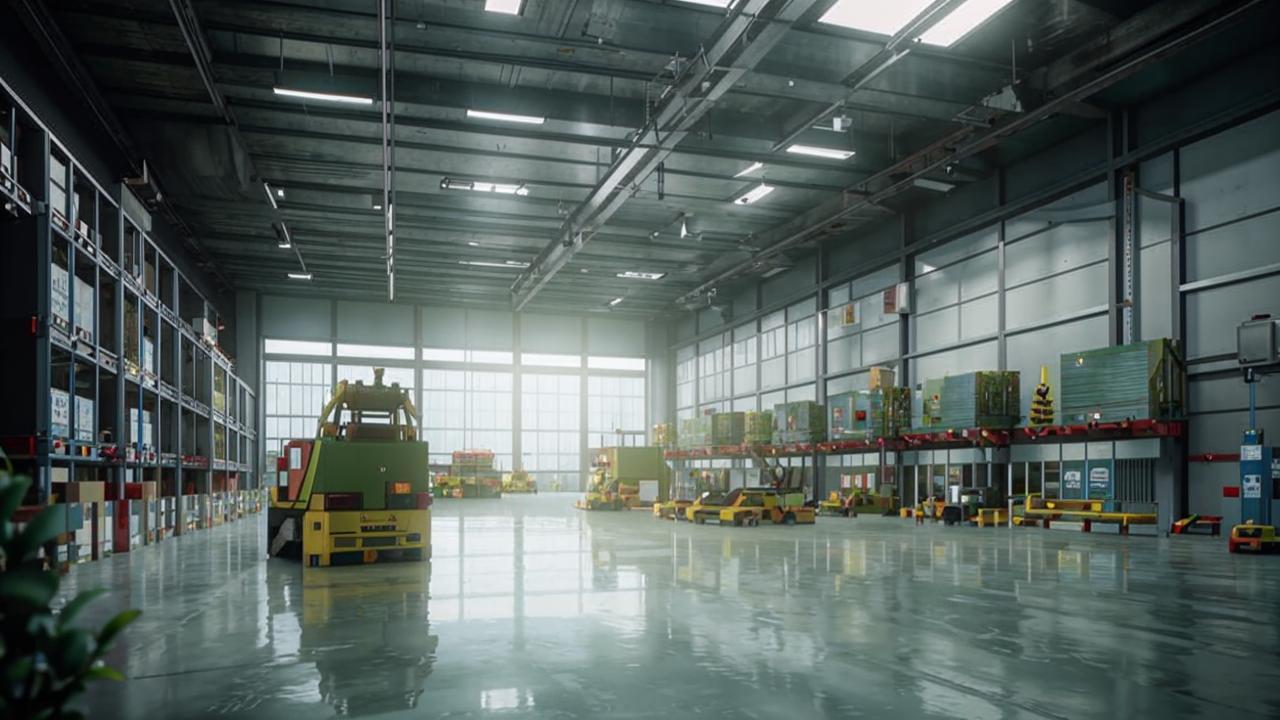
The integration of technological solutions in warehouse design is transforming the way goods are stored, managed, and distributed. As the demand for efficiency and speed in logistics continues to rise, warehouses are increasingly adopting advanced technologies that streamline operations and enhance productivity. This section explores various technological innovations that are shaping the architectural design of warehouse premises.
One of the most significant advancements in warehouse technology is the implementation of Warehouse Management Systems (WMS). These software solutions provide real-time visibility into inventory levels, order processing, and shipping logistics. By automating various tasks, WMS reduces human error and accelerates the fulfillment process. Key features of WMS include:
- Inventory Tracking: Utilizing barcode scanning and RFID technology, WMS allows for precise tracking of inventory throughout the warehouse.
- Order Management: Automated order processing ensures that items are picked, packed, and shipped efficiently, minimizing delays.
- Data Analytics: WMS provides valuable insights into inventory turnover rates and operational performance, enabling data-driven decision-making.
Another critical technological solution is the use of automated storage and retrieval systems (AS/RS). These systems utilize robotics and conveyor systems to automate the storage and retrieval of goods, significantly reducing the need for manual labor. AS/RS can be designed to fit various warehouse layouts, optimizing vertical space and improving overall efficiency. Benefits of AS/RS include:
- Space Optimization: By utilizing vertical storage, warehouses can maximize their storage capacity without expanding their footprint.
- Increased Speed: Automated systems can retrieve items faster than manual processes, leading to quicker order fulfillment.
- Reduced Labor Costs: Automation decreases reliance on manual labor, allowing staff to focus on more complex tasks.
Furthermore, the rise of Internet of Things (IoT) technology is revolutionizing warehouse operations. IoT devices can monitor equipment performance, track inventory levels, and provide real-time data on warehouse conditions. This connectivity allows for proactive maintenance and improved operational efficiency. Key applications of IoT in warehouses include:
- Smart Sensors: These devices can monitor temperature, humidity, and other environmental factors, ensuring optimal conditions for sensitive goods.
- Predictive Maintenance: IoT technology can predict equipment failures before they occur, reducing downtime and maintenance costs.
- Real-Time Inventory Management: IoT-enabled devices provide instant updates on inventory levels, helping to prevent stockouts and overstock situations.
Moreover, the implementation of artificial intelligence (AI) and machine learning algorithms is enhancing decision-making processes within warehouses. AI can analyze vast amounts of data to identify patterns and trends, enabling warehouses to optimize their operations. Applications of AI in warehouse design include:
- Demand Forecasting: AI algorithms can predict future demand based on historical data, allowing warehouses to adjust inventory levels accordingly.
- Route Optimization: AI can determine the most efficient routes for picking and shipping, reducing transit times and costs.
- Labor Management: AI can analyze workforce productivity and optimize staffing levels based on demand fluctuations.
In addition to these technologies, the use of drones for inventory management is gaining traction in warehouse operations. Drones can quickly scan and assess inventory levels, providing a fast and efficient alternative to traditional stocktaking methods. Benefits of using drones include:
- Speed: Drones can cover large areas in a short amount of time, significantly reducing the time required for inventory checks.
- Accuracy: Equipped with advanced imaging technology, drones can provide precise inventory counts and identify discrepancies.
- Cost-Effectiveness: By reducing the need for manual labor in inventory management, drones can lower operational costs.
As technological solutions continue to evolve, the architectural design of warehouse premises must adapt to accommodate these innovations. The integration of advanced technologies not only enhances operational efficiency but also contributes to a more sustainable and responsive supply chain. In the following sections, we will delve deeper into specific case studies and examples of successful technological implementations in warehouse design.
Construction Organization Plan
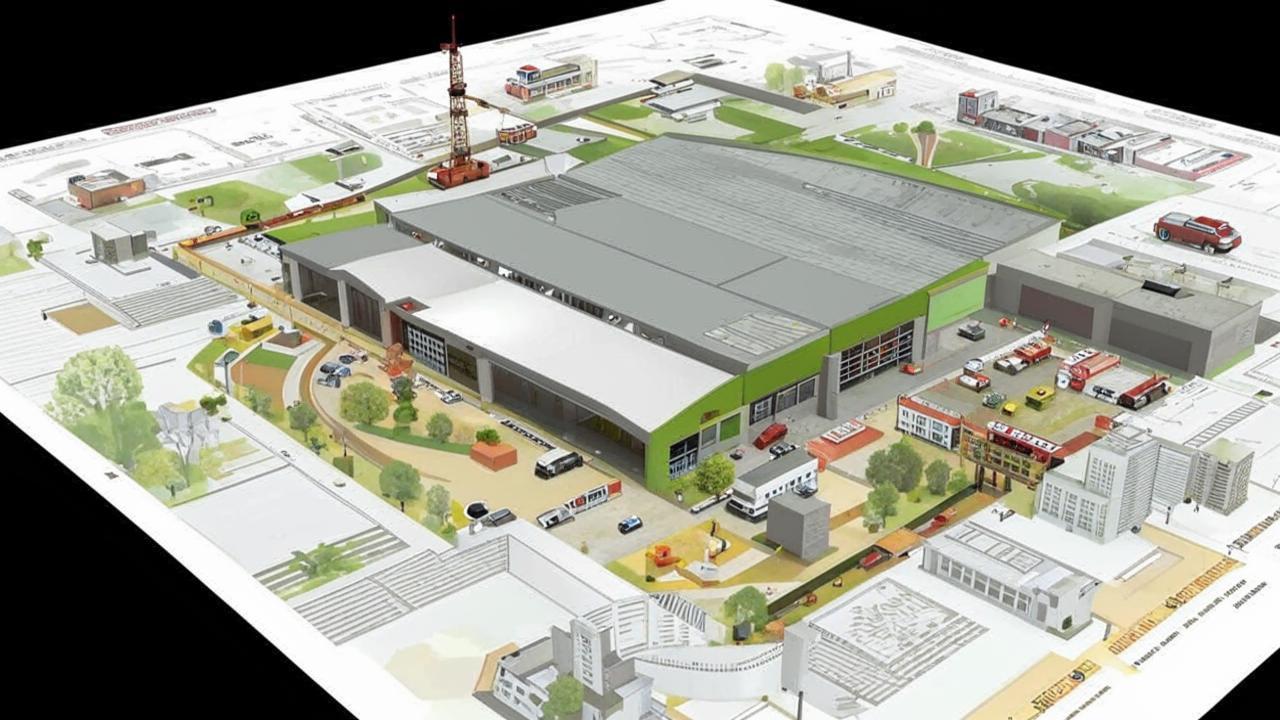
The Construction Organization Plan is a critical component in the architectural design of warehouse premises, as it outlines the systematic approach to the construction process. This plan serves as a roadmap for all stakeholders involved, ensuring that the project is executed efficiently, on time, and within budget. A well-structured construction organization plan encompasses several key elements that contribute to the successful realization of a warehouse facility.
One of the primary aspects of the construction organization plan is the project timeline. This timeline details the various phases of construction, from initial site preparation to the final inspection and handover. It is essential to establish a realistic schedule that accounts for potential delays, such as adverse weather conditions or supply chain disruptions. By setting clear milestones, project managers can monitor progress and make necessary adjustments to keep the project on track.
Another crucial element is the resource allocation. This involves identifying and assigning the necessary resources, including labor, materials, and equipment, to ensure that each phase of construction is adequately supported. Effective resource management helps to minimize waste and reduce costs, ultimately contributing to the overall success of the project. It is important to consider the availability of skilled labor and the procurement of high-quality materials that meet the design specifications.
Additionally, the construction organization plan must address site management. This includes the establishment of a safe and efficient work environment, with clear protocols for site access, material storage, and waste disposal. Implementing safety measures is paramount to protect workers and comply with local regulations. Regular safety audits and training sessions can help to foster a culture of safety on the construction site.
Furthermore, effective communication is vital throughout the construction process. The organization plan should outline the communication channels between all parties involved, including architects, contractors, and suppliers. Regular meetings and progress reports can facilitate collaboration and ensure that everyone is aligned with the project goals. Utilizing project management software can also enhance communication and streamline information sharing.
Incorporating quality control measures is another essential aspect of the construction organization plan. Establishing standards for workmanship and materials helps to ensure that the final product meets the required specifications and performance criteria. Regular inspections and testing during the construction process can identify potential issues early, allowing for timely corrections and minimizing the risk of costly rework.
Lastly, the construction organization plan should include a risk management strategy. Identifying potential risks and developing mitigation plans can help to minimize disruptions and ensure that the project remains on schedule. This may involve contingency planning for unforeseen circumstances, such as changes in regulations or unexpected site conditions.
In summary, the construction organization plan is a comprehensive framework that guides the successful execution of warehouse construction projects. By addressing key elements such as project timelines, resource allocation, site management, communication, quality control, and risk management, stakeholders can work collaboratively to achieve a well-designed and functional warehouse facility that meets the needs of modern logistics and supply chain operations.
In addition to the aforementioned elements, the Construction Organization Plan must also consider the environmental impact of the warehouse construction. As sustainability becomes increasingly important in modern architecture, it is essential to assess how the construction process and the finished facility will affect the surrounding environment. This includes evaluating factors such as land use, water management, and energy consumption. Implementing eco-friendly practices, such as using sustainable materials and minimizing waste, can significantly reduce the environmental footprint of the project.
Moreover, engaging with the local community is a vital aspect of the construction organization plan. Open communication with local residents and businesses can help to address concerns related to noise, traffic, and other disruptions that may arise during construction. By fostering positive relationships with the community, project managers can mitigate potential conflicts and enhance the overall acceptance of the warehouse facility once completed.
Another important consideration is the logistics of construction. The plan should outline how materials and equipment will be transported to the site, as well as how the construction process will be organized to minimize disruptions to the surrounding area. This may involve scheduling deliveries during off-peak hours or coordinating with local authorities to manage traffic flow. Efficient logistics can help to streamline the construction process and reduce costs associated with delays.
Furthermore, the plan should include a detailed budget that accounts for all aspects of the construction process. This budget should encompass not only the direct costs of materials and labor but also indirect costs such as permits, insurance, and contingency funds for unexpected expenses. Regular budget reviews can help to ensure that the project remains financially viable and that any deviations from the budget are addressed promptly.
As the construction progresses, it is essential to maintain a focus on project documentation. Keeping accurate records of all activities, decisions, and changes made during the construction process is crucial for accountability and future reference. This documentation can serve as a valuable resource for post-construction evaluations and can help to inform future projects.
Finally, the construction organization plan should outline the handover process once the warehouse is completed. This includes preparing for inspections, obtaining necessary certifications, and ensuring that all systems are operational. A smooth handover process is vital for transitioning the facility to its operational phase and ensuring that it meets the needs of its users from day one.
In conclusion, the construction organization plan is a comprehensive and multifaceted document that plays a crucial role in the successful execution of warehouse projects. By addressing environmental considerations, community engagement, logistics, budgeting, documentation, and the handover process, stakeholders can work together to create a well-designed and efficient warehouse facility that meets the demands of modern supply chain operations.
Environmental Protection Measures
In recent years, the importance of environmental protection measures in the architectural design of warehouse premises has gained significant attention. As industries face increasing pressure to reduce their carbon footprint and adhere to sustainability standards, the design of warehouses must incorporate eco-friendly practices that not only comply with regulations but also promote a healthier environment.
One of the primary considerations in sustainable warehouse design is the use of green building materials. These materials are sourced from renewable resources and are often recyclable, reducing the overall environmental impact of construction. Examples include:
- Recycled Steel: Utilizing recycled steel for structural components minimizes the need for new raw materials and reduces energy consumption during production.
- Low-VOC Paints: Volatile organic compounds (VOCs) can contribute to air pollution. Using low-VOC paints and finishes helps improve indoor air quality.
- Sustainable Insulation: Materials such as cellulose or sheep's wool provide effective insulation while being environmentally friendly.
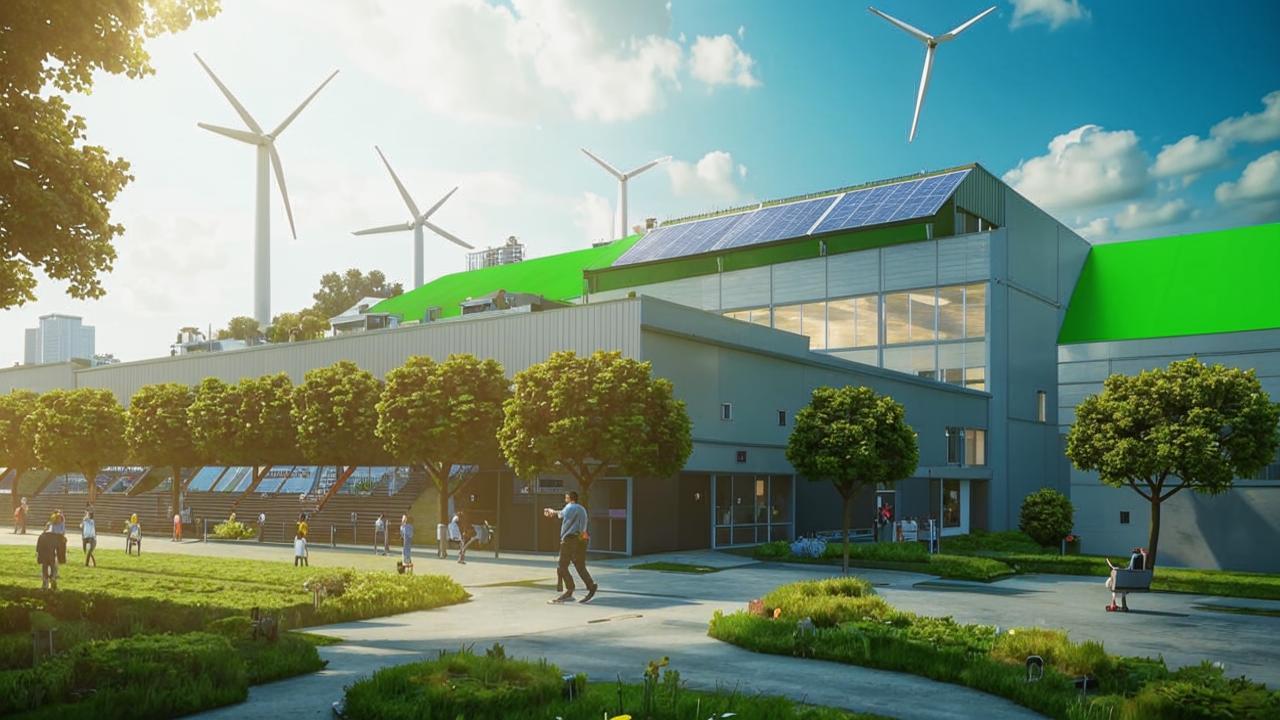
Another critical aspect of environmental protection in warehouse design is the implementation of energy-efficient systems. This includes the use of advanced heating, ventilation, and air conditioning (HVAC) systems that optimize energy consumption. Additionally, integrating renewable energy sources, such as solar panels, can significantly reduce reliance on fossil fuels and lower operational costs.
Water conservation is also a vital component of sustainable warehouse design. Implementing rainwater harvesting systems allows facilities to collect and utilize rainwater for non-potable purposes, such as irrigation and toilet flushing. Furthermore, installing low-flow fixtures and water-efficient landscaping can help minimize water usage.
Moreover, the layout of the warehouse can be designed to enhance natural lighting and ventilation. By incorporating large windows, skylights, and strategically placed ventilation systems, warehouses can reduce the need for artificial lighting and improve air quality. This not only contributes to energy savings but also creates a more pleasant working environment for employees.
Transportation logistics also play a significant role in environmental protection measures. Designing warehouses with easy access to public transportation and major freight routes can reduce the carbon emissions associated with the transportation of goods. Additionally, providing facilities for electric vehicle charging can encourage the use of eco-friendly transportation options.
Finally, it is essential to consider the lifecycle assessment of warehouse buildings. This approach evaluates the environmental impact of a building throughout its entire lifecycle, from construction to demolition. By understanding the long-term effects of design choices, architects and developers can make informed decisions that prioritize sustainability.
In conclusion, the integration of environmental protection measures in the architectural design of warehouse premises is not just a trend but a necessity in today's world. By focusing on sustainable materials, energy efficiency, water conservation, natural lighting, transportation logistics, and lifecycle assessments, warehouses can significantly reduce their environmental impact while enhancing operational efficiency and employee well-being.
Fire Safety Measures
Fire safety is a critical aspect of warehouse design, as these facilities often store large quantities of goods, including flammable materials. The potential for fire hazards necessitates a comprehensive approach to fire safety measures, which should be integrated into the architectural design from the outset. This ensures that the warehouse not only complies with local regulations but also provides a safe environment for employees and protects valuable assets.
One of the primary considerations in fire safety design is the layout of the warehouse. A well-planned layout can significantly reduce the risk of fire spreading. Key elements to consider include:
- Fire Zones: Dividing the warehouse into fire zones can help contain a fire to a specific area, preventing it from spreading to the entire facility. This can be achieved through the use of fire-resistant walls and barriers.
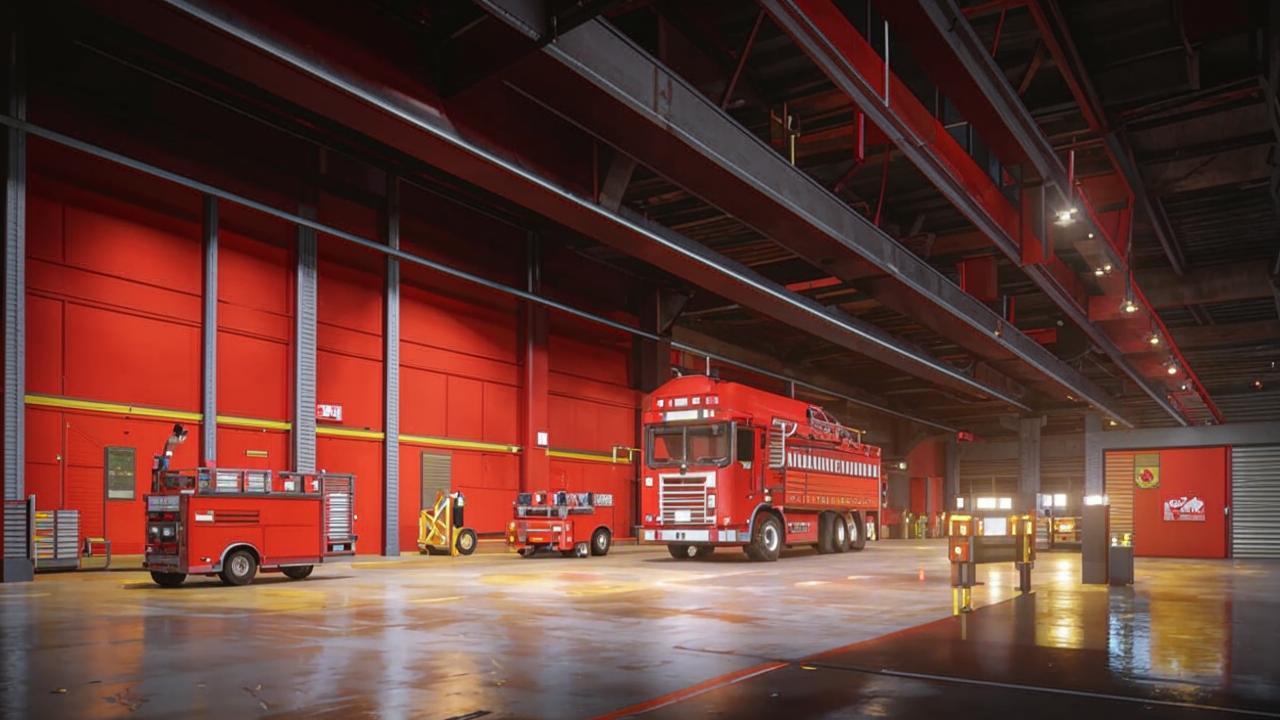
- Access Routes: Clear and unobstructed access routes for fire trucks and emergency personnel are essential. These routes should be designed to allow for quick and efficient evacuation of personnel and the movement of firefighting equipment.
- Storage Configuration: The arrangement of stored goods should allow for adequate spacing between items to minimize fire risk. This includes using racks that are designed to prevent the accumulation of combustible materials.
In addition to layout considerations, the selection of materials used in the construction of the warehouse is crucial for fire safety. Fire-resistant materials should be prioritized, including:
- Fire-Resistant Walls and Ceilings: Utilizing materials that can withstand high temperatures can help slow the spread of fire and provide additional time for evacuation and firefighting efforts.
- Non-Combustible Flooring: Floors should be made of non-combustible materials to prevent fire from igniting and spreading through the building.
- Fire-Resistant Doors: Installing fire-rated doors can help contain fires within specific areas of the warehouse, providing critical time for evacuation and response.
Another essential component of fire safety in warehouse design is the installation of fire detection and suppression systems. These systems are vital for early detection and rapid response to fire incidents. Key systems to consider include:
- Smoke Detectors: Strategically placed smoke detectors can provide early warning of a fire, allowing for prompt evacuation and response.
- Sprinkler Systems: Automatic sprinkler systems can help control or extinguish fires before they escalate, significantly reducing damage and risk to personnel.
- Fire Alarms: A comprehensive fire alarm system should be installed to alert all occupants of the warehouse in the event of a fire.
Regular maintenance and inspections of fire safety systems are also crucial. This includes routine checks of fire alarms, sprinkler systems, and fire extinguishers to ensure they are in proper working order. Training employees on fire safety protocols and evacuation procedures is equally important, as it prepares them to respond effectively in the event of a fire.
In conclusion, integrating fire safety measures into the architectural design of warehouse premises is essential for protecting lives and property. By considering layout, material selection, and the installation of fire detection and suppression systems, warehouse designers can create a safer environment that minimizes fire risks and enhances overall operational efficiency.
Furthermore, the training and preparedness of personnel play a vital role in fire safety within warehouse environments. Regular fire drills should be conducted to ensure that all employees are familiar with evacuation routes and procedures. This not only helps in reducing panic during an actual emergency but also reinforces the importance of fire safety protocols. Employees should be trained to recognize potential fire hazards and understand the proper use of fire extinguishers and other firefighting equipment.
Another important aspect of fire safety is the implementation of a fire safety plan. This plan should outline the specific procedures to follow in the event of a fire, including:
- Evacuation Procedures: Clear instructions on how to evacuate the building safely, including designated assembly points outside the warehouse.
- Emergency Contacts: A list of emergency contacts, including local fire departments and internal safety officers, should be readily available.
- Incident Reporting: Procedures for reporting fire incidents and near misses to improve future safety measures.
Moreover, the use of technology can enhance fire safety measures in warehouses. Advanced fire detection systems equipped with heat and smoke sensors can provide real-time monitoring and alerts. Additionally, integrating these systems with building management systems can facilitate a coordinated response during emergencies. For instance, automated systems can unlock doors and guide occupants to safe exits during a fire.
It is also essential to consider the surrounding environment of the warehouse. Factors such as proximity to other buildings, vegetation, and access to water sources for firefighting can influence fire safety strategies. Landscaping should be designed to minimize fire risks, such as maintaining defensible space around the warehouse and using fire-resistant plants.
Finally, compliance with local fire codes and regulations is non-negotiable. Warehouse designers and operators must stay informed about the latest fire safety standards and ensure that their facilities meet or exceed these requirements. Regular audits and assessments can help identify areas for improvement and ensure ongoing compliance.
In summary, the architectural design of warehouse premises must prioritize fire safety through a multifaceted approach that includes layout planning, material selection, installation of fire safety systems, personnel training, and adherence to regulations. By implementing these measures, warehouses can significantly reduce the risk of fire incidents, protect their assets, and ensure the safety of their employees.